Union Budget 2026–27 and Its Impact on Indian Real Estate: The Road Ahead
-
by admin
- Market Insights
- 0
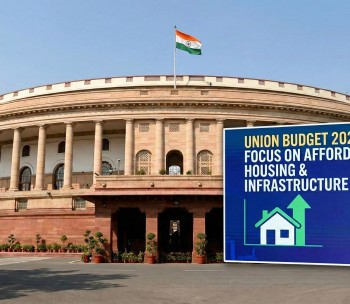
The Union Budget 2026–27 marks a pivotal moment for India’s real estate sector.
While it may not have delivered direct housing incentives, its strong emphasis on infrastructure-led growth, decentralised urbanisation, and long-term economic planning is expected to reshape property markets across the country. From the standpoint of experienced developers such as DSR Group, this Budget lays the groundwork for sustainable, future-ready real estate development.
This blog explores how Budget 2026–27 impacts homebuyers, developers, and investors — and why infrastructure-driven planning will be the most important real estate catalyst in the coming decade.
Budget 2026–27: A Strategic Shift from Incentives to Infrastructure
Presented by Finance Minister Nirmala Sitharaman on February 1, the Union Budget 2026–27 continues the government’s capital expenditure–driven growth model. With a proposed public capex outlay of ₹12.2 lakh crore, the Budget reinforces infrastructure as the backbone of India’s economic and urban expansion.
Instead of offering immediate tax concessions or housing-specific sops, the government has focused on:
- Transport and connectivity expansion
- Planned urbanisation through City Economic Regions (CERs)
- Asset monetisation via REITs
- Risk-sharing mechanisms for large infrastructure projects
- Strengthening tier-II and tier-III cities
For the real estate sector, these measures quietly but decisively shape where demand will move, how cities will expand, and which locations will deliver long-term value.
Infrastructure-Led Growth: The Biggest Driver of Real Estate Demand
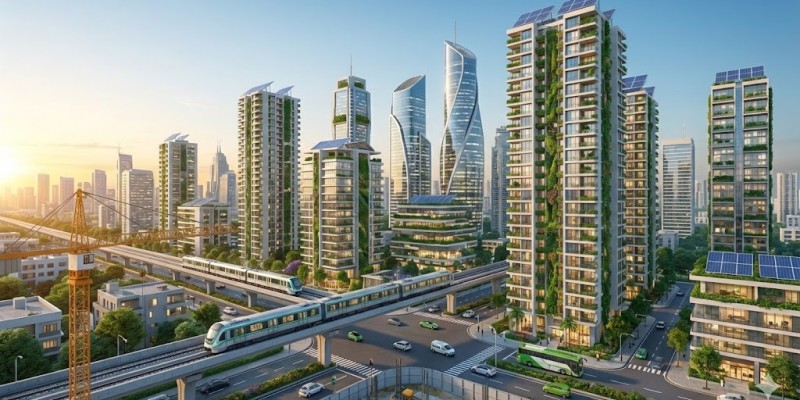
Infrastructure spending has a direct correlation with real estate growth. Improved connectivity reduces development risk, enhances land viability, and improves liveability — all critical factors influencing homebuyer confidence.
Key Infrastructure Highlights Impacting Real Estate
- Expansion of highways, freight corridors, rail networks, and last-mile connectivity
- Development of logistics hubs, industrial parks, and warehousing zones
- Urban upgrades in water supply, sanitation, drainage, and civic services
- Continued focus on transport corridors connecting economic clusters
For developers like DSR Group, infrastructure-led growth supports better project planning, timely execution, and sustainable community development. For homebuyers, it enhances long-term property appreciation and quality of life.
City Economic Regions (CERs): A Game Changer for Tier-II and Tier-III Cities
One of the most significant announcements in Budget 2026–27 is the introduction of City Economic Regions (CERs) — planned urban clusters designed to integrate residential, commercial, industrial, and civic infrastructure.
- ₹5,000 crore allocation per region over five years
- Focus on tier-II, tier-III cities and emerging urban centres
- Integrated mobility, employment zones, and public services
From a real estate standpoint, CERs unlock new opportunities beyond saturated metros. These regions are expected to become self-sustaining urban ecosystems, driving demand for:
- Organised residential developments
- Mixed-use and commercial projects
- Warehousing and logistics real estate
- Hospitality and tourism-linked developments
At DSR Group, we see CERs as a foundation for planned, future-ready urban living, where infrastructure and housing evolve together rather than in isolation.
What Budget 2026 Means for Homebuyers
While Budget 2026 does not introduce major new homebuyer tax benefits, it delivers important indirect and practical advantages that improve affordability, clarity, and transaction efficiency.
Increased Disposable Income
Tax relief measures for middle-income groups and simplified compliance increase disposable income, improving purchasing capacity for end-users considering homeownership.
Lower Transaction Friction
One of the most practical changes is the proposed simplification of TDS compliance for property purchases from NRIs, effective October 1, 2026. Buyers can now use PAN-based reporting without obtaining a TAN, reducing procedural delays in high-value transactions.
Clarity on Home Loan Interest Deductions
The Budget aligns treatment of pre-construction interest under the new tax regime, offering clearer guidance on deductions up to ₹2 lakh under Section 24(b). This helps buyers plan finances more confidently, especially for under-construction homes.
Long-Term Affordability through Infrastructure
Improved transport, job corridors, and civic infrastructure lower commuting stress and enhance liveability — factors that matter as much as price for today’s homebuyers.
Budget 2026 Advantages for Real Estate Developers
From a developer’s perspective, Budget 2026 focuses on risk reduction, capital access, and execution clarity.
Reduced Development Risk
- Infrastructure Risk Guarantee Fund to improve lender confidence
- Partial credit guarantees for long-duration projects
- Better financing conditions for large townships and mixed-use developments
Faster Approvals and Transparency
- Digitisation of land records
- Streamlined regulatory processes
- Reduced project delays and cost overruns
REITs and Capital Recycling
The proposal to create dedicated REITs for CPSE-owned real estate assets is a structural reform that deepens institutional participation. For the sector, this improves transparency, liquidity, and long-term funding avenues.
At DSR Group, such policy stability allows developers to focus on quality, sustainability, and customer-centric design, rather than navigating uncertainty.
Affordable Housing: A Mixed Signal
While PMAY-Urban and PMAY-Urban 2.0 continue with an allocation of over ₹18,600 crore, the absence of revised affordable housing definitions or fresh interest subsidies has been noted by the industry.
Rising construction costs and borrowing rates continue to challenge affordability, particularly for first-time buyers. Going forward, aligning affordability with real market realities will be essential for inclusive growth.
Why Tier-II and Tier-III Cities Matter More Than Ever
Metro cities face land scarcity, congestion, and pricing pressure. In contrast, tier-II and tier-III cities offer:
- Lower land acquisition costs
- Improving employment ecosystems
- Better quality of life
- Planned infrastructure under CERs
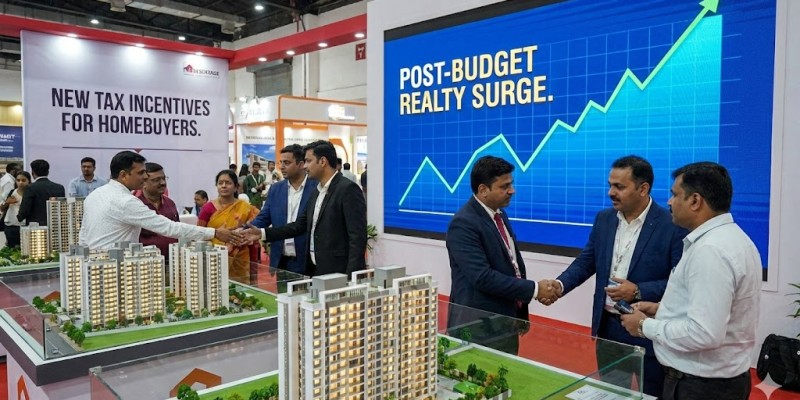
Budget 2026 strengthens these cities through capital investment and decentralised planning, setting the stage for the next wave of real estate growth.
DSR Group’s Outlook: Building for the Future, Not Just the Cycle
Union Budget 2026–27 signals a clear policy direction — long-term, infrastructure-backed, regionally balanced growth. While it may not deliver instant sentiment-driven gains, it lays a strong foundation for sustainable real estate development.
At DSR Group, we believe that real estate success lies in anticipating future cities, not chasing short-term trends. Infrastructure-led planning, regulatory transparency, and institutional capital participation are all aligned with our commitment to:
- Quality construction
- Planned communities
- Long-term value creation for homebuyers and investors
As India reimagines urban growth beyond metros, developers who build responsibly and buyers who invest thoughtfully will be best positioned to benefit from this evolving landscape.
Final Thoughts
Union Budget 2026–27 reinforces that real estate growth follows infrastructure, planning, and policy stability. For homebuyers, developers, and investors alike, the opportunity lies in understanding these signals early and aligning decisions with long-term urban transformation.
For DSR Group, this Budget strengthens confidence in India’s real estate future — one built on connectivity, sustainability, and inclusive growth.